
Rethinking What We Share Online
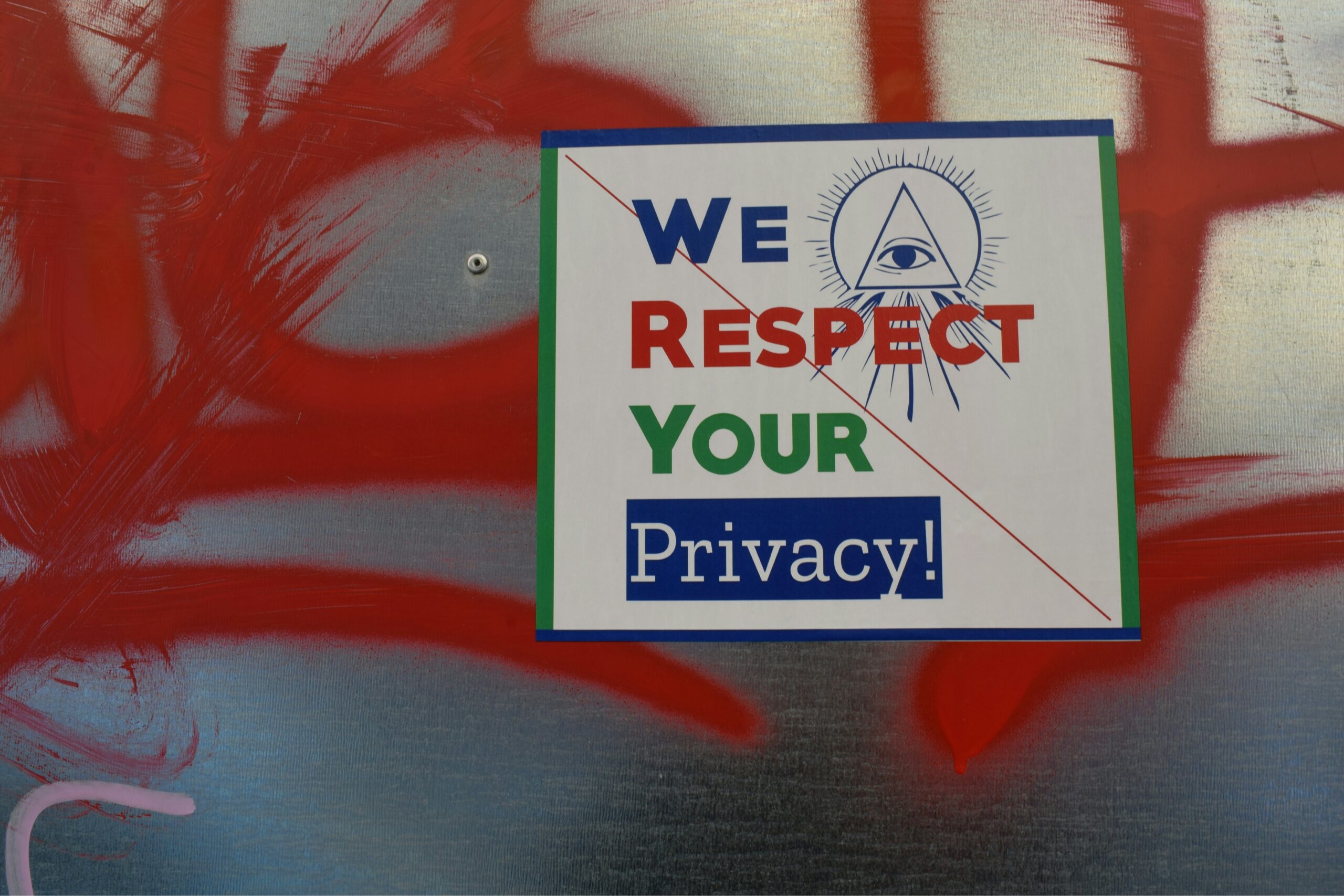
In Lindsey C. Kim’s piece, readers can be hit initially with an uneasy feeling. This then pushes the readers to think deeply about how much information they share online without even realizing it. Every post they make, whether it is for school; like an blog post or just a casual social media update, letting their friends know what they’re up to, it all leaves a digital trail. Kim’s reading allows readers to see a more cautious and intentional approach when sharing. She encourages people to consider both the content they share, along with the audience receiving it. It also raises a critical question about the control that person has once something is uploaded, and the answer to that question is more than likely very little. Her points reveal how easily people overlook privacy when they’re focused on completing their tasks, or trying to stay connected.
Embracing the Chaos of Learning & Balancing Caution and Growth
In contrast, Martha Fay Burtis’s piece does spark an encouraging, and even liberating perspective. She talks about learning as a process that does not need to always be perfect, nor neatly structured. This helps to frame struggles and frustrations as essential part of growth. Confusion does stop being a sign of failure, and becomes a natural stepping stone toward understanding.
Together, both readings reveal the dual nature of being online. People’s need to protect personal information, while also embracing digital spaces as opportunities for experimentation, making mistakes, and meaningful learning. By staying aware of privacy risks and accepting that learning is often messy, people can navigate the digital world with both confidence and care.


Leave a Reply