
Digital Rhetoric is more than words on a screen—it’s an evolving field that connects people, technology, and culture. It overlaps with areas like sociology and computer collaboration, showing us how people create meaning in digital spaces. In many ways, digital rhetoric acts as a bridge, linking different research fields and everyday online practices.
Human-Computer Interaction
Human-Computer Interaction (HCI) focuses on making technology easier and more enjoyable to use. I saw this firsthand in a college class called Business and Professional Writing. For our final project, we had to improve a company’s website. I chose L’Oréal and suggested ways to make the site more user-friendly—like adding dropdown menus so shoppers could quickly find products and using clear sub-categories so people of all ages could navigate with ease. Projects like this show how digital rhetoric and HCI come together: technology doesn’t just need to function—it should also communicate clearly and meet people’s needs.
Critical Code Studies
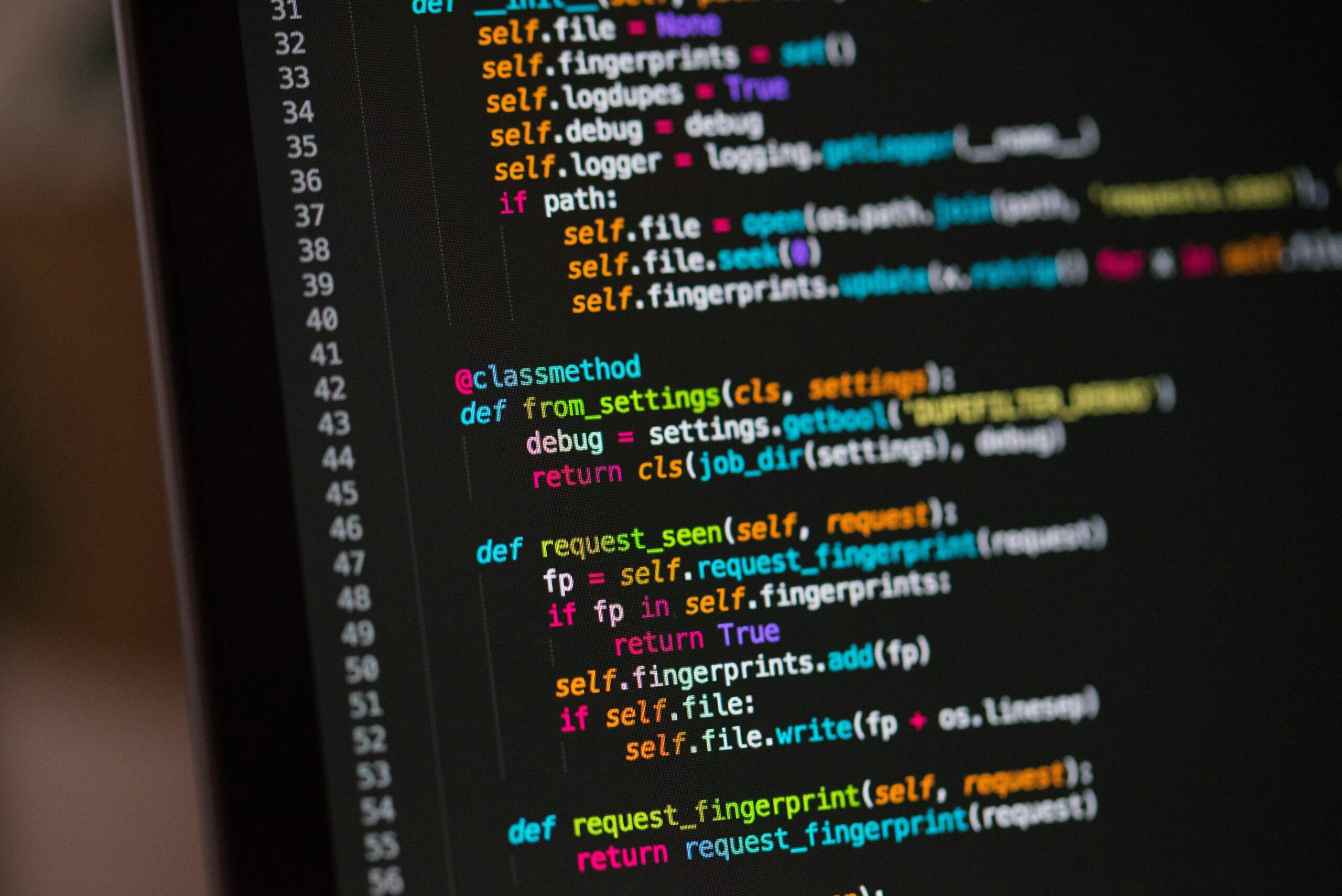
Digital rhetoric also connects to Critical Code Studies (CCS). CCS looks at computer code not just as lines of instructions but as a form of communication. Code carries meaning, influences users, and even shapes culture. Think about TikTok’s algorithm: it doesn’t just run in the background—it actively decides what videos appear on your feed. That code shapes what you see, how you engage, and even what you think about. By studying code this way, CCS and digital rhetoric highlight how technology influences everyday life and communication.
Why Digital Rhetoric Matters
Digital rhetoric and technology are bridges that connect fields like sociology, internet studies, and digital humanities. By understanding how code, design, and user experience work together, we can make digital spaces more inclusive and impactful.
Conclusion
To conclude, digital rhetoric and technology reveal how humans shape meaning in online spaces. From code to culture, these fields remind us that technology is never neutral—it always communicates something.


Leave a Reply