
Defining Digital Rhetoric
Doug Eyman explains how understanding digital rhetoric is more than applying traditional rhetorical principles online. It requires attention to the unique features of digital media. Digital rhetoric helps us interpret texts critically and guides us in creating new texts for online spaces. Eyman clarifies that digital text and rhetoric take on new meanings in networked, multimodal environments. He also places digital rhetoric alongside fields like digital literacy, new media studies, and critical code studies, arguing that it deserves recognition as a distinct practice and area of study.
The Impact of Digital Rhetoric on Communication
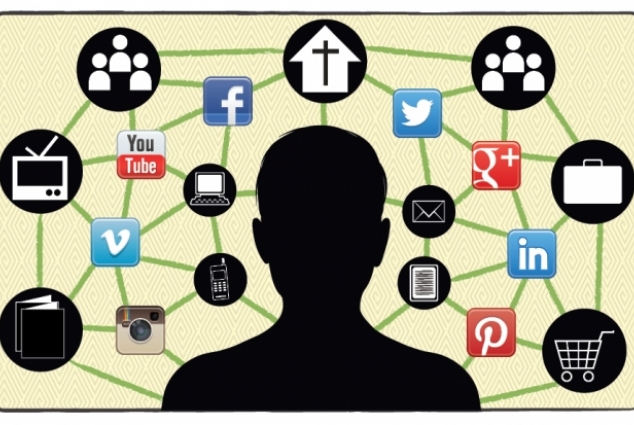
Reading Eyman’s work highlights how much our everyday communication already involves rhetorical strategies. Social media posts, website designs, and hyperlinks carry persuasive power through form, medium, and interface, not just words. Platforms, algorithms, and creator choices influence how audiences receive messages. This shows that digital rhetoric shapes not only communication but also access, influence, and power online.
Personal Response to Eyman’s Ideas
Understanding digital rhetoric also affects how we participate in digital culture. It requires examining not only what a message says but how it is delivered, where it circulates, and what tools shape its meaning. For instance, a tweet, blog post, or infographic can persuade differently depending on the platform and design choices. By paying attention to these details, we can communicate more effectively and critically.
Personally, Eyman’s ideas made me see the importance of digital literacy for everyone, not just scholars. In today’s world, where digital communication dominates, understanding these practices empowers us to analyze messages critically and create texts responsibly. Digital rhetoric encourages mindfulness in how we engage with content and how we contribute to online conversations.
https://writingspaces.org/wp-content/uploads/2021/09/kim.pdf


Leave a Reply