
So I read Google and the Misinformed Public by Safiya Noble. In her article, she writes about how Google and other digital media platforms can provide disastrous results based on the searches users give. Immediately, it reminded me of the Search Engine Optimization (SEO) we have to fill out for our blog posts.
We’re taught how Google operates. How Google searches for the keywords and based on whatever SEO matches the search query, gets pulled up first. In the article, Noble brings up an example of the 2015 murders of African Americans at a church in South Carolina. In this example, she quotes the gunman (Dylann Roof) and how his reasoning for committing this atrocity was the result of a Google search. Noble writes how the search engine pulled up sources that only fueled Dylann Roof’s delusion. She also points out how it wasn’t a factual government website, or sources that can be found in a library, but rather a website founded in a matter of opinion.
In my opinion,
And while I do understand what Noble is trying to accomplish, I can’t say I agree. The point of Google, Facebook, and more popular digital spaces like Tiktok, is to hook their audience and keep them engaged. They used many tactics to serve their audience what they wanted and what they asked for. It is not up to these platforms to research and search for ‘the best’ for the user. It’s the responsibility of the user to see if what they have been served is what they need.
Google will give thousands of results based on the keywords. It’s the users own judgements to choose what sources they read and consume. If Dylann Roof (who said he had been radicalized by the death of Trayvon Martin) had found a government website proving his ideas wrong, I doubt that he would’ve changed his morals and ideas. The passion of a person rarely does.
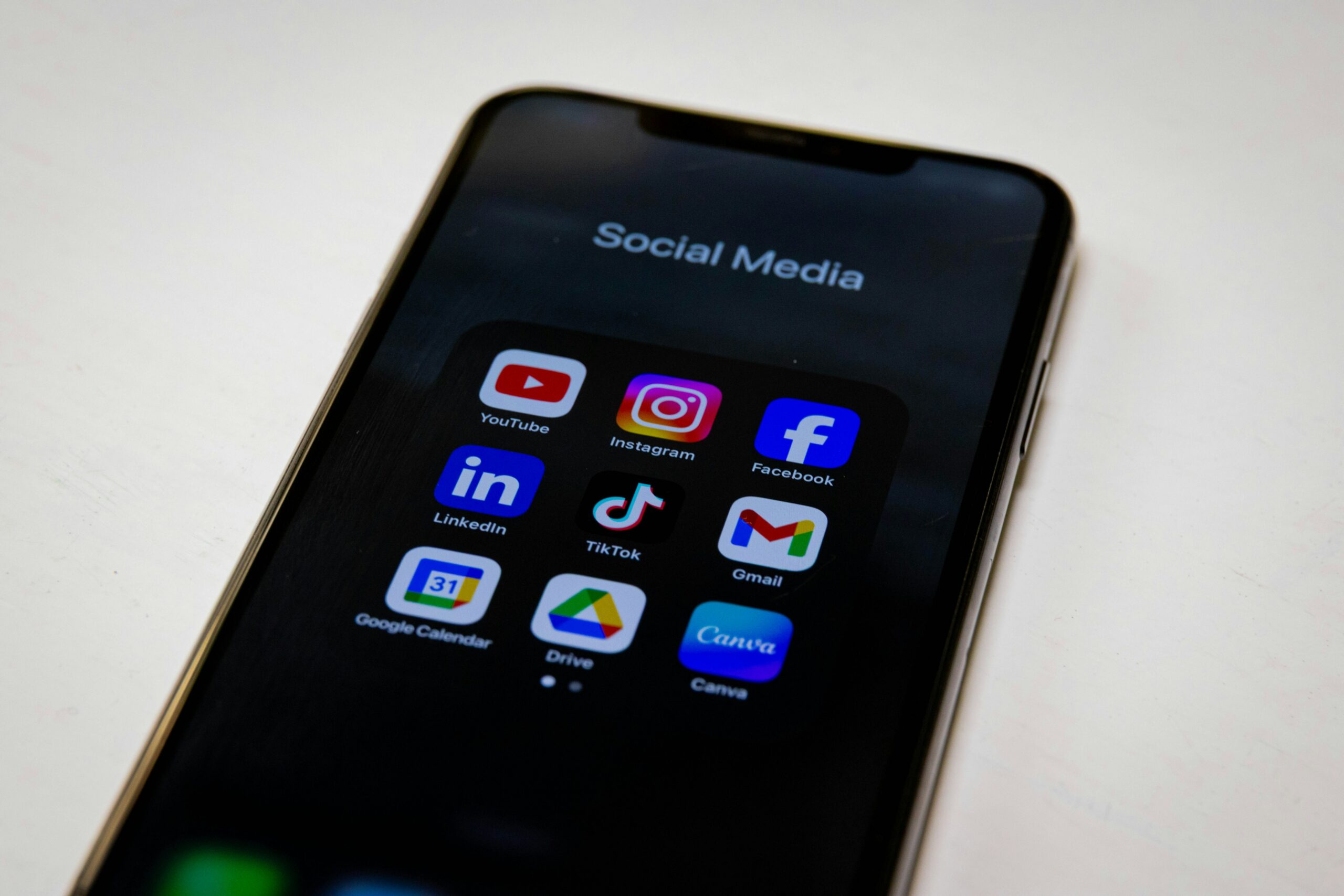
The same thing goes for engagement apps like TikTok. Many argue that there are things on the app that should have it banned and marked as unhealthy for viewers. And while I agree to a point, that is not the app’s fault. Many apps are curated to a person’s interests, and based on likes and views will be pushed onto the feed more and more. I like art, writing, and certain media. My TikTok page is proof of that because I shaped it to be that way. If there is a video outside of my interests, I either skip. Doing that lets the app know I’m not the correct recipient for that video. And TikTok won’t show me similar videos, because I don’t like it. It’s the same way for many digital platforms. They thrive off of what users feed them.


Leave a Reply