
When was the last time you stepped back and really thought about life before you started using social platforms? Also, have you noticed that after you started using it, the way you communicate in everyday conversation, think, and make sense of the world around you has changed? In the simplified version of Mcluhan’s theory (insert link here), technology affects society more than the information it provides us with. This idea also connects to J.D. Aplan’s discussion on media and platforms, and how platforms that allow us to communicate with each other affect our habits and relationships with information.
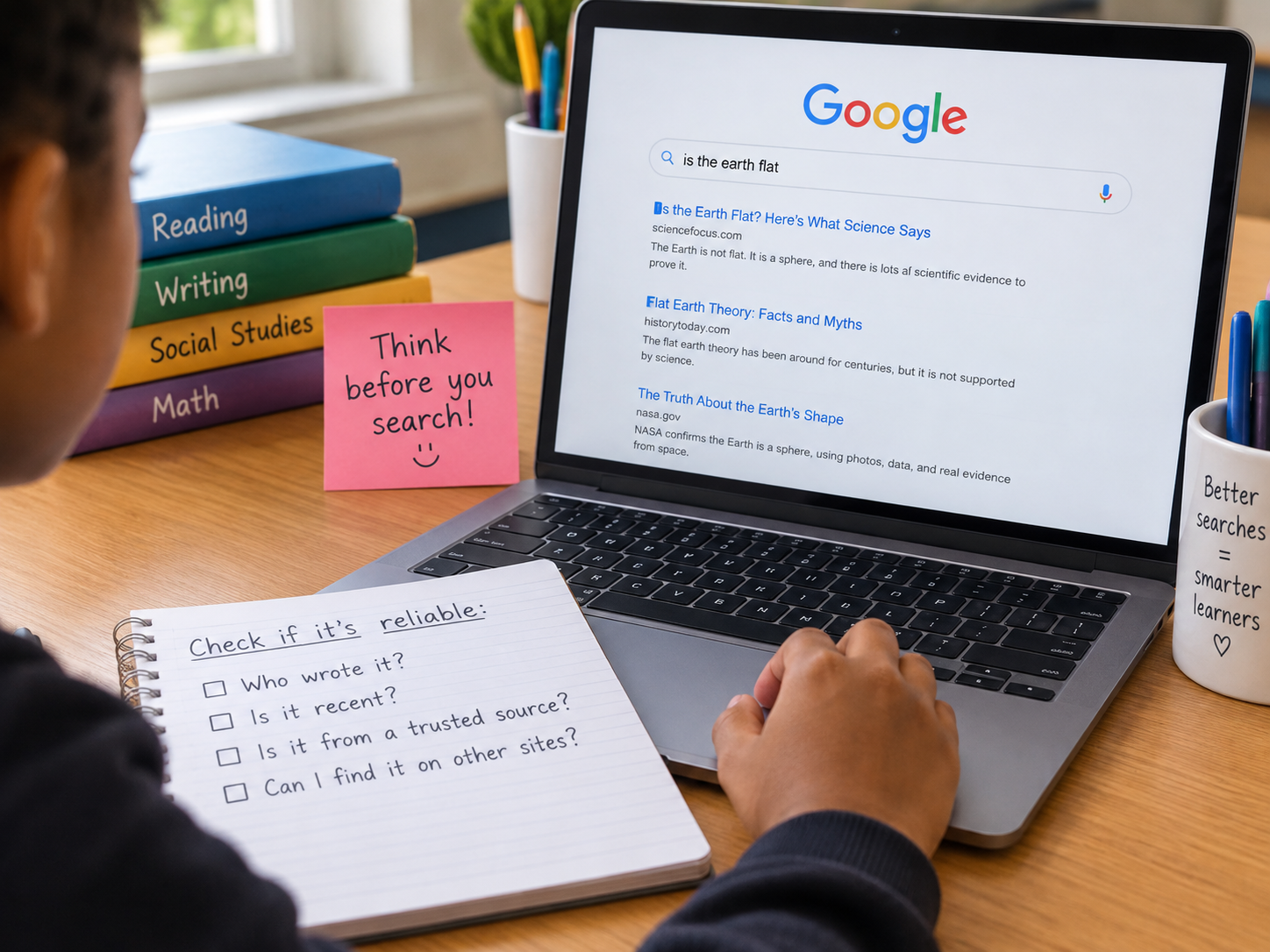
One example mentioned in the text is Google. Google makes research 20 times easier, but the information that it gives us affects the way we research, solve problems, and understand the information presented. Instead of trying to figure out answers ourselves through broader research, we start expecting search engines to give us those answers right off the bat. Technology is a convenient tool, but this convenience comes at a price when it starts affecting the way we understand the information. As Aplan suggested, convenience doesn’t always give us the problem-solving techniques we should be making better use of.
Platforms that Reflect his Theory
According to McLuhan’s theory, a couple of social media platforms reflect his ideas. Platforms such as Instagram and TikTok, when used correctly, are great platforms to allow self-expression, but they also come with the risk of affecting self-esteem with the beauty standards pushed on their audiences. When influencers post unrealistic expectations, younger audiences may see that as gospel and, in trying to be like their role models, force their bodies to fit the “ideal.” Therefore, the platform becomes an incorrect guide on how people should view themselves.
Although my entire post so far has been talking about digital platforms as this evil mastermind that should be avoided at all costs, this isn’t the case. Educational platforms like Canvas and Kahoot encourage collaboration, creativity, and allow students to become more engaged in their learning. As I mentioned in my last paragraph, whether the outcome is positive or negative is primarily how we use it, but also being able to recognize how platforms may influence our behavior. McLuhan pushes us to look beyond the surface message and how the medium itself shapes our experience. As technology continues to grow, it’s imperative to be aware of the encrypted text some digital platforms may be hiding from you, often in plain sight.


Leave a Reply