
Seeing Ourselves in Everything
In seeing the word intertextuality, my initial thought was the word intersectionality, the relationship between social identities. Through hyper-links, hashtags and algorithms, intertextuality creates an intricate network. In digital rhetoric, readers no longer follow a linear path for information. Links, media, and user engagement shape interpretation and transform reading into an interactive experience. Intertextuality forces digital writers to consider how their text functions within digital space along with their rhetorical impact.
Remix Culture: The Non-Hierarchal Experience
In the world of digital media, we use intertextuality in everything—from memes to slogans, headlines, movies, and even songs. We use all different forms of content to reference one another explicitly or implicitly. Intertextuality plays a huge role in making digital content more engaging and, more than that, persuasive by using what the audience knows to leverage their attention, time, and money. In the rise of digital platforms, users can create, alter and redistribute content with ease. This allows individuals to contribute to cultural discourse in real time. However, the shift in democratizing content challenges the traditional means of authorship, originality and authenticity. Writers in digital spaces must now consider how intertextuality impacts credibility of their arguments.
Weaving Ourselves into Community
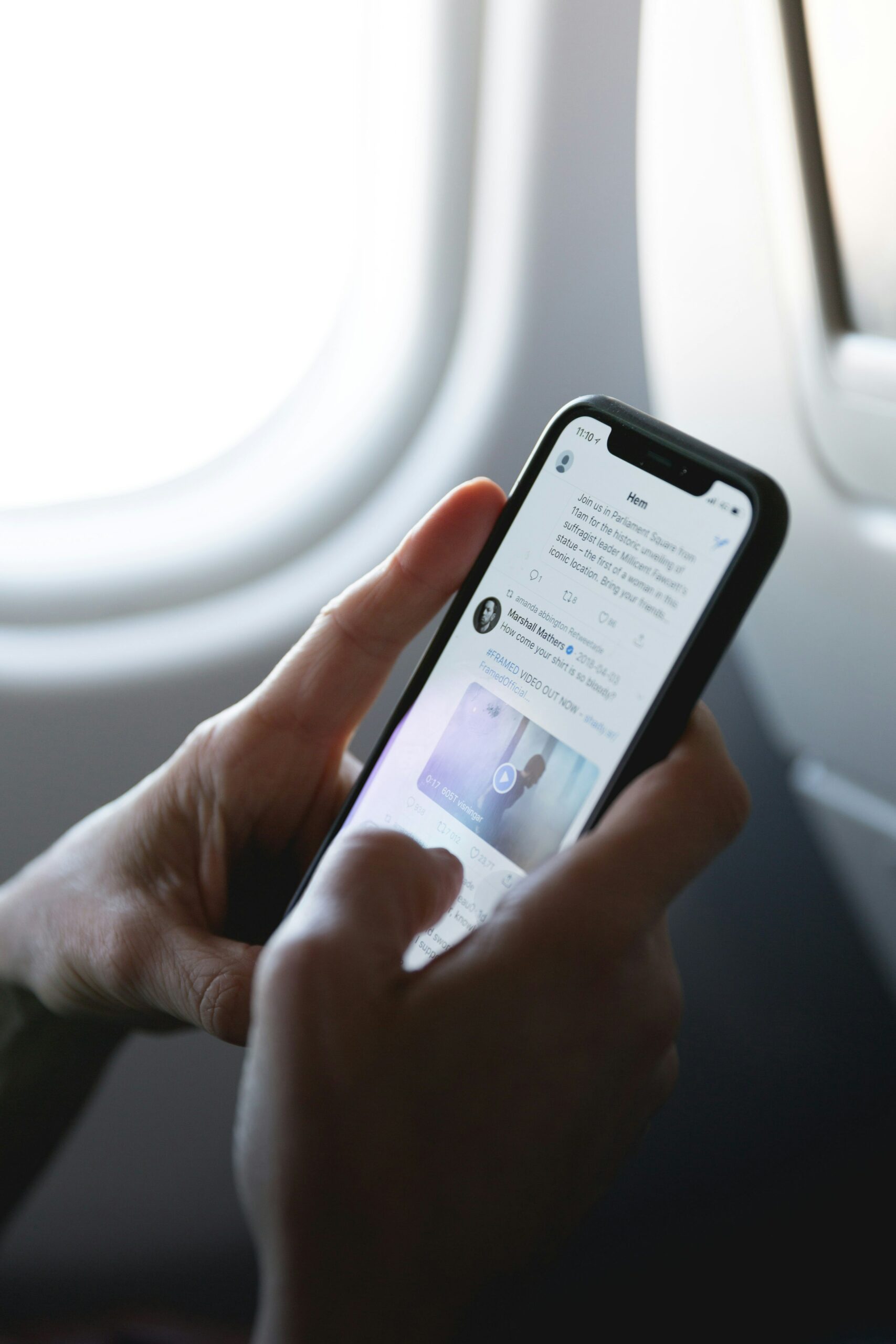
The digital boom of creative and hilarious memes used to communicate moods, feelings, reactions, and responses while watching award shows, engaging with your fellow tweeters in reaction to shocking scenes as you all watch the premiere episode of your favorite show. Twitter might have built the house digital media and intertextuality sleep in, my humble opinion, it was truly a golden era for it. The humor, the audience, the homage we get to take part in today is built on the digital intertextuality of our time.
Intertextuality functions as a fluid movement which means rhetorical impact can change depending on its added commentary, who shares it and how it is reinterpreted. Readers must critically engage with how this layer influences interpretation. Because digital text is unstable, writers must anticipate how readers will interpret their work beyond its original intent.Recognizing intertextuality allows us all to navigate digital spaces with awareness, responsibility and rhetorical effectiveness.


Leave a Reply