
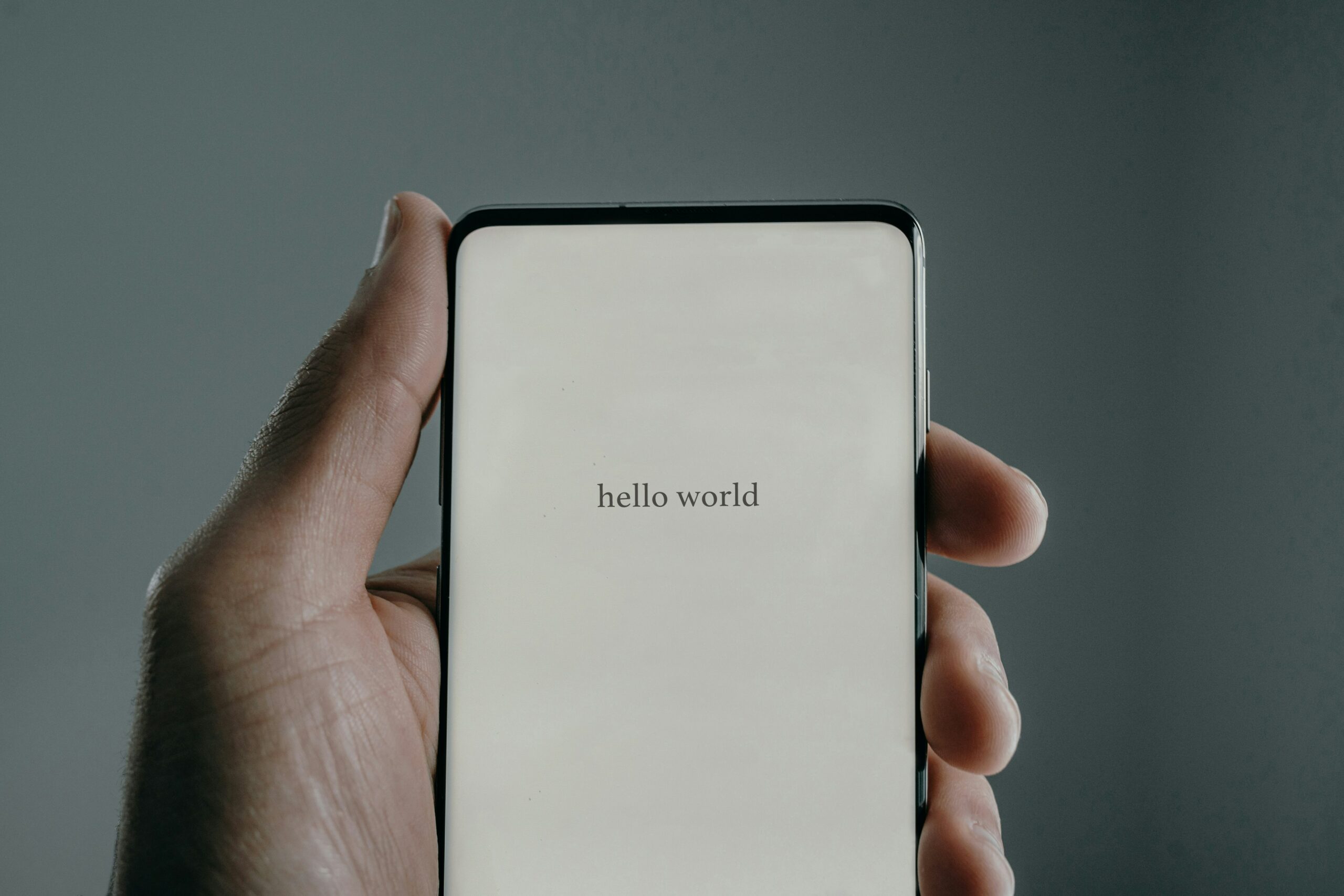
McLuhan’s idea that “the medium is the message” felt simple at first. But the more I sat with it, the more it shifted how I see everyday technology. What really stands out is the difference between content and effect. McLuhan argues that the real “message” isn’t what a medium says. It’s what it does to us. It shapes our habits, our expectations. Even how we think. The light bulb example made that click for me. It doesn’t carry content, but it extends the day and changes how we live. It’s a small example that it opens up a much bigger idea.
The discussion of cell phones and the Internet makes this feel more immediate. Phones don’t just help us communicate. They create this expectation that we’re always available. That point stuck with me because it reframes something that feels completely normal. It’s not just that we can always be reached. It starts to feel like we should be. That shift is subtle, but it has real weight.
The move into Nicholas Carr’s argument also stood out. He suggests that easy access to information is changing how we process it. The idea that we “skip from URL to URL” instead of reading deeply felt a little too accurate. This ties back to McLuhan in that it’s not just about what we read online. It’s about how the structure of the Internet shapes our thinking. It pushes us toward speed and fragmentation. Reflection becomes harder to hold onto.
What I keep coming back to is how technology quietly shapes what we value. Speed and efficiency start to take over. Slower thinking and ambiguity feel less important. But the reading suggests the opposite. Those are the things that actually lead to deeper understanding. That tension feels especially real in academic spaces. We have constant access to information. But regardless of that access, actually making sense of it still takes time.


Leave a Reply