
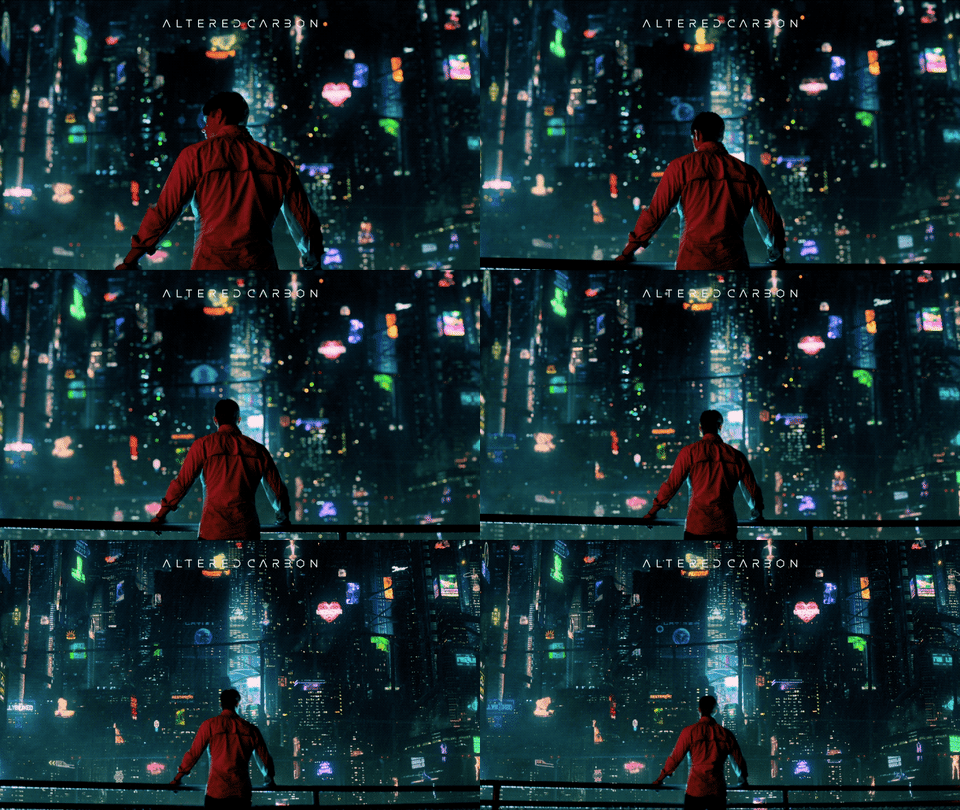
The digital space consists of many individual parts that mesh and combine to form this beast of a web. There is some beauty in that web. There is also the chance to use those connections to spread information in an accurate and concise manner. Instead dig@tl rh3toric (digital rhetoric) thrives in away that is, to my mind, infinitely more dangerous then it’s pre was before.
The digital space is heavily media based. Even our text can be dotted with music or video links that can be played alongside the text. Dead scholars would hake killed for the ability to link their full sources to their works! If only so that others would be able to instantly access them, and better understand their positions. Granted that is still true today. Now, as with then, we still contend with those who have very specific ideas or stances they wish to push. For them the capacity to use and abuse dig@tl rh3torical is infinite. Some have already attempted to replicate what can be done in the digital space in the physical world, with even more disastrous consequences.
Media in the Physical World
I think it’s fair to say that in this day and age dig@tl rh3toric is not so different from media rhetoric. Especially because in a bid to stay relevant, most media has begun to conform itself to the same constraints as those online.
Click bait is alive and well on the TV, with increasingly alarmist “punchy” segment titles.
The shock and awe of sound bites permeate our airwaves and screens, as pundits and talking heads sit around throwing out opinion as if its fact and call it news. Segments have grown shorter where they should be longer, and so their nuance is lost. Main stream music is becoming more and more viral. The birth of AI, as a tool has already led to confusion and misinformation. Not to mention the threat it poses to artistic spaces, in a world that increasingly values profit over art.
Recent Examples
Recently Kanye had his yearly anti-Semitic tirade online. An AI video was created as a response. The video used the likeness of many other celebrities telling the rapper to go fuck himself. The video creators made it without the consent or participation of these celebrities, and one of them (Scarlett Johansson) has fallen victim to AI-generated videos in the past and continues to call for legislation to protect people from the abuse of AI.
During Biden’s final months in office, a piece of AI generated art began to circulate in support of Palestine. The piece was seen by many activist as a detriment to the cause. The image sparked discussion about how fake imagery undermined the very real images and videos coming out of Gaza, and allowed for detractors and denialist to shoot down the validity of what was real.
These examples of dig@tl rh3toric showed how the modality that used to push these ideas cause chaos even within the communities that agree with the positions that these forms rhetoric took.
Conclusion
The blurring of these two worlds makes the use of rhetorical theories to push narratives way more influential and increasingly diversionary. Especially in a time where there are few people with Media Literacy and even fewer with Digital Literacy. Add in the influence of bad actors whose only goal is to insight chaos for clout, and what is born is an anarchist nightmare.
We have entered the age of spin.


Leave a Reply