
Introduction
As I often say in my other blog posts, we are living in a massive crossroads in terms of how we interpret and create media. Media has been changing rapidly for a long time, and the rise of digital media has only added fuel to the fire. In fact, new media is such a massive shift away from what we understood as media that people still can not agree on a solid definition of what it even is. In the reading we see different points from Manovich, Packer, and Jordan on what is needed to constitute new media.
I am inclined to agree with Manovich’s points especially. His five points of numerical representation, modularity, automation, variability, and transcoding all make sense in coming together to form new media.
However, I more deeply agree with Anne Wysocki’s point that this media is not inherently digital. Furthermore, limiting it to digital technology is actively damaging and inhibits creators from truly thinking outside of the box.
In Comes wysocki
Wysocki criticized Manovich’s five points by pointing out that they failed to include “human agents” in their sphere. This implies that human creation takes a backseat in new media, which could not be further from the truth.
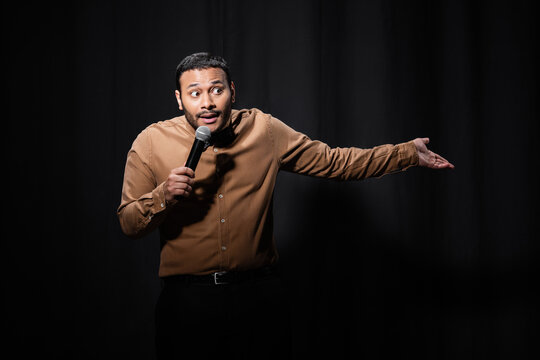
While a majority of new media would fall under the digital umbrella, there are also examples of non-digital things also being new. One example would be live interactive performances. Improv performers can create a fully interactive show with their audience on the fly, thus taking part in new media.. These can be as common and approachable as a stand-up comedy show, or as niche as avant-garde performance art. Despite not utilizing computers or any technology at all (besides a microphone usually) it is still new media.
Conclusion
New media is still being explored and defined. We ought to do ourselves a cultural favor and not limit it before it has the chance to truly come into its own.


Leave a Reply