

Our Class Blog
Come along as we explore Writing for Digital Spaces. New posts arrive weekly throughout the semester.
-

How Do We Study Digital Rhetoric?
How do researchers study the way people communicate online? Crystal VanKooten shows why digital rhetoric needs more than one method.
-

Digital Rhetoric Research
A response to VanKooten’s article “Methodologies and Methods for Research in Digital Rhetoric” on Digital Rhetoric research and opinions on her findings.
-

What Makes Digital Rhetoric Rhetorical?
From TikTok to personalized recommendations, digital rhetoric shapes how we communicate, connect, and influence each other online.
-
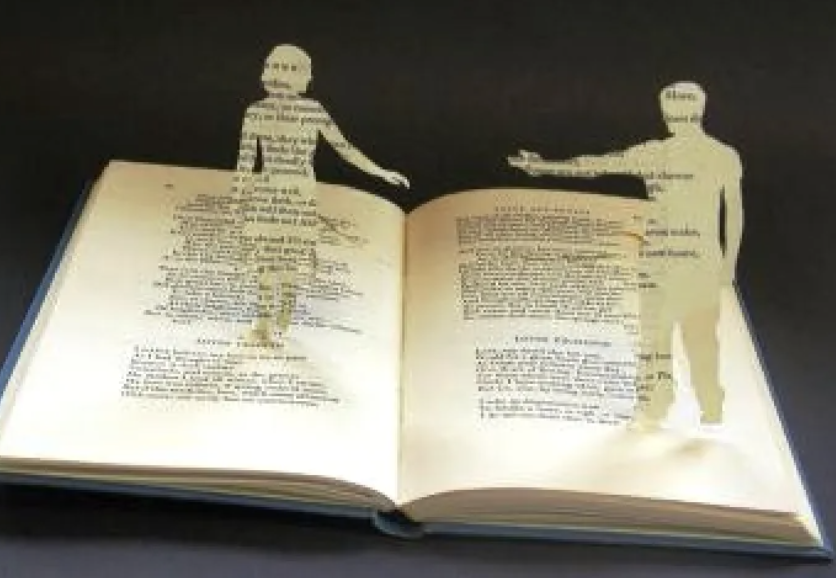
How do texts connect? Understanding intertextuality.
Intertextuality shows us that texts don’t exist alone—they connect to other ideas, stories, and media, creating deeper meanings for audiences.
-

Being Online Doesn’t Mean Being Digitally Literate
Explores the difference between using technology for entertainment and knowing how to use digital tools effectively for communication and learning.
-

Week 2 Blog: Digital v Material, Hypertextual v Connected
Wampum Belts were versions of Hypertect that native americans used to communicate alliances or deals with eachother through beads!
Categories
- About the Class (3)
- Preparation (Wk 0): Privacy & Agency on the Web (86)
- Topic 1: Digital Situationships (361)
- Topic 2: Power Distribution (100)
- Topic 3: Public Audiences, Public Authors (145)
- Uncategorized (79)
- Unused Topics from Past Semesters (404)
- Connections (11)
- Mediums (64)
- New Media (30)
- New Media and Literacy (77)
- Refining Terms (16)
- Speaking, Writing, and Literacy (75)
- Text (79)
- The (Late) Age of Print (57)
- Traditional Writing (9)
Tags
agency algorithms Analog Applen Brock Burtis Code Communication data digital Digital Literacy Digital media digital privacy Digital Rhetoric Digital Text Doug Eyman Eyman google HCI Hypertext Interactivity internet intertextuality J. D. Applen J.D. Applen Kevin Brock literacy McLuhan Media medium message new media online orality platforms print privacy remediation Rhetoric social media Technology Text Visual Visual Rhetoric writing