
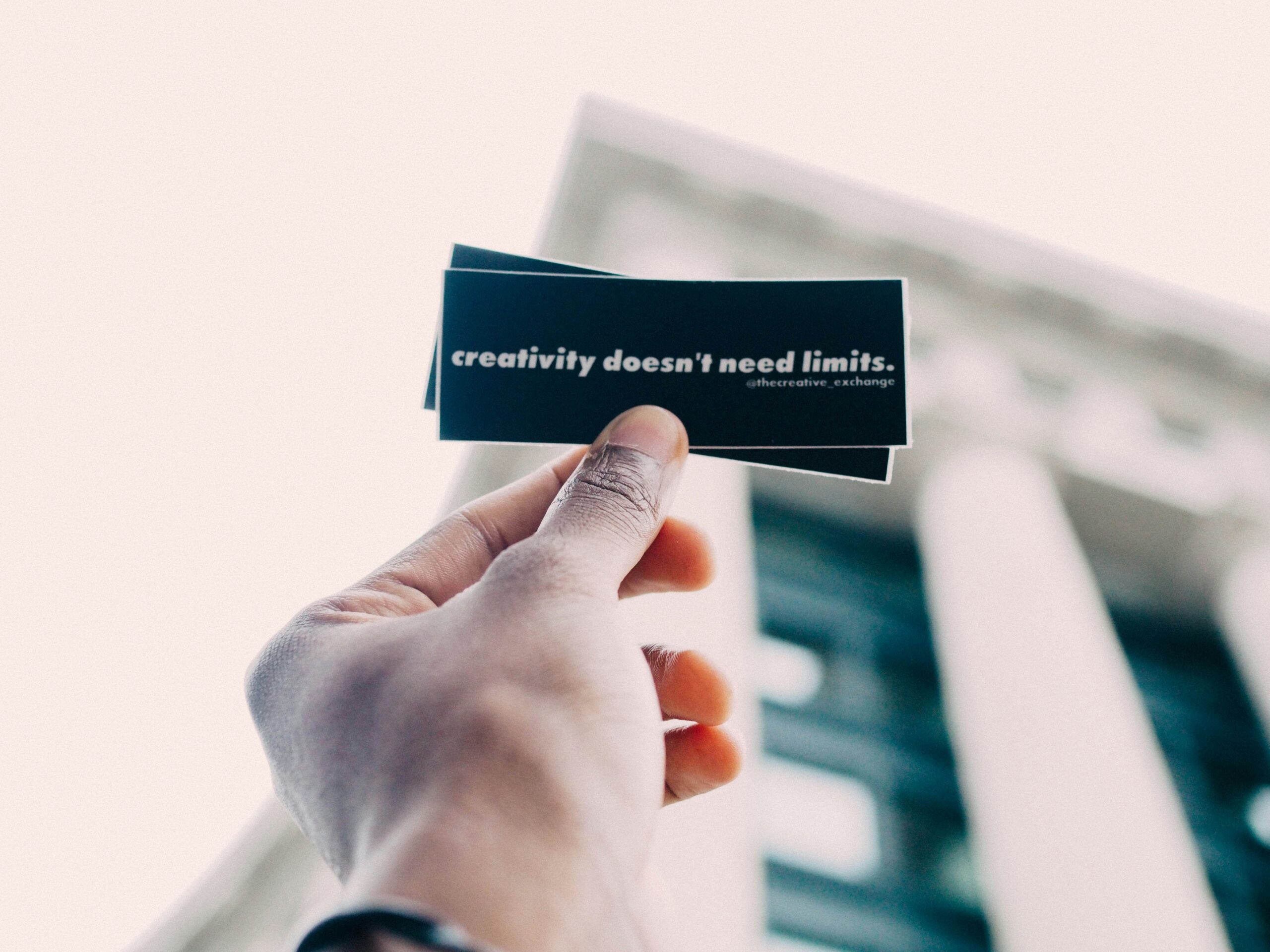
Web design, and websites in general, have never been an area of interest for me. A pen and paper are the preferred forms of communication. However, where paper can’t, the internet can. Much of writing nowadays is done online, through different websites. Although creativity and an imagination are required when it comes to writing, some struggle with originality. Many of my own ideas seem like a rip-off or copy of something that already exists, when further examined. Whether it is a drawing I (terribly) did, a written poem, or a printed picture from a polaroid, it seems to have been done before. This begs the question: why does it feel like this?
Ever since students can remember, they’ve been told to follow formats and structures. Teachers at school-imposed restrictions and regulations on writing and creating. With such an imposition, the idea of originality is challenged. Students are given rules to abide by for assignments but are also told to come up with something personal, and unique to them. How is that possible in this age? Formatted and structured design templates limit the possibility of creativity or personalization. Kristen L. Arola writes about her reluctancy to using new standardized templates, when teaching her students, in the article, “The Design of Web 2.0: The Rise of the Template, The Fall of Design.” She wants teachers to engage the potential of design with teaching web 2.0. While she is speaking about creating a website and I am discussing writing, both messages are the same: when formats and structures challenge the very idea of creativity.


Leave a Reply